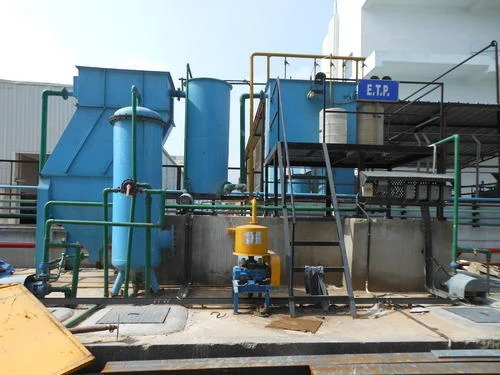
An Effluent Treatment Plant (ETP) is a specialized system designed to treat industrial wastewater, removing harmful contaminants before the water is discharged or reused. ETPs help industries comply with environmental regulations by cleansing effluents—such as chemicals, suspended solids, oils, and organic matter—through a series of physical, chemical, and biological processes. This treatment not only protects natural water bodies from pollution but also allows treated water to be safely reused in industrial processes or irrigation, promoting sustainable water management. By implementing an ETP, industries reduce their environmental footprint, conserve water resources, and contribute to a cleaner, healthier environment.
An Effluent Treatment Plant (ETP) is a specialized system designed to clean and treat wastewater generated by industries and factories. When industries use water for their processes, it often becomes contaminated with chemicals, oils, and other pollutants. The ETP treats this dirty water, making it safe to release back into the environment or to reuse within the factory, helping protect nature and human health.
 Collecting Wastewater:
Wastewater from industrial processes is
collected and sent to the ETP. Removing Large
Particles: Large solids like dirt, grit, and debris are
filtered out. Breaking Down Harmful
Substances: Harmful chemicals and organic waste
are treated using biological methods (like bacteria) or chemical treatments to
neutralize pollutants. Settling Solids:
Smaller solid particles settle at the bottom,
separating from cleaner water. Filtering &
Disinfection: The water is further filtered and disinfected
to remove germs and pathogens. Safe Discharge or
Reuse: After treatment, clean water is either safely
discharged into natural water bodies or reused in industrial processes, conserving fresh
water. Protects the
Environment: Prevents pollution of rivers, lakes, and
groundwater by removing hazardous substances. Keeps Communities
Healthy: Provides cleaner water, reducing risks of
waterborne diseases. Saves Water: Enables
treated water reuse, helping industries reduce
their freshwater consumption. Regulatory Compliance:
Helps industries meet government environmental
laws regarding wastewater disposal. Supports
Sustainability: Encourages responsible water management and
environmental stewardship for future generations. Wastewater Collection:
Industrial wastewater is collected and sent to the
treatment facility. Pre-Treatment: Large
solids, grit, and oils are removed through screening
and sedimentation tanks. Primary Treatment: Physical
and chemical processes like coagulation and
flocculation aggregate fine particles for easier removal. Secondary Treatment:
Biological treatment processes use bacteria and
microorganisms to break down organic pollutants. Secondary Sedimentation:
Microbial biomass settles, separating treated
water from sludge. Tertiary Treatment:
Advanced filtration, disinfection (using chlorine or
UV), and sometimes nutrient removal to polish the water. Sludge Treatment &
Disposal: The collected sludge is treated separately,
often by digestion or drying, before safe disposal or reuse. Discharge or Reuse: The
treated effluent is discharged safely into the
environment or recycled back into industrial processes. Primary ETP: Focuses on
removing suspended solids and oils. Secondary ETP: Involves
biological treatment to degrade organic matter.
Tertiary ETP: Advanced
treatment for removing nutrients, heavy metals, and
pathogens. Zero Liquid Discharge (ZLD)
Systems: Ensures zero liquid waste by
recovering all water and leaving only solid waste.
Collecting Wastewater:
Wastewater from industrial processes is
collected and sent to the ETP. Removing Large
Particles: Large solids like dirt, grit, and debris are
filtered out. Breaking Down Harmful
Substances: Harmful chemicals and organic waste
are treated using biological methods (like bacteria) or chemical treatments to
neutralize pollutants. Settling Solids:
Smaller solid particles settle at the bottom,
separating from cleaner water. Filtering &
Disinfection: The water is further filtered and disinfected
to remove germs and pathogens. Safe Discharge or
Reuse: After treatment, clean water is either safely
discharged into natural water bodies or reused in industrial processes, conserving fresh
water. Protects the
Environment: Prevents pollution of rivers, lakes, and
groundwater by removing hazardous substances. Keeps Communities
Healthy: Provides cleaner water, reducing risks of
waterborne diseases. Saves Water: Enables
treated water reuse, helping industries reduce
their freshwater consumption. Regulatory Compliance:
Helps industries meet government environmental
laws regarding wastewater disposal. Supports
Sustainability: Encourages responsible water management and
environmental stewardship for future generations. Wastewater Collection:
Industrial wastewater is collected and sent to the
treatment facility. Pre-Treatment: Large
solids, grit, and oils are removed through screening
and sedimentation tanks. Primary Treatment: Physical
and chemical processes like coagulation and
flocculation aggregate fine particles for easier removal. Secondary Treatment:
Biological treatment processes use bacteria and
microorganisms to break down organic pollutants. Secondary Sedimentation:
Microbial biomass settles, separating treated
water from sludge. Tertiary Treatment:
Advanced filtration, disinfection (using chlorine or
UV), and sometimes nutrient removal to polish the water. Sludge Treatment &
Disposal: The collected sludge is treated separately,
often by digestion or drying, before safe disposal or reuse. Discharge or Reuse: The
treated effluent is discharged safely into the
environment or recycled back into industrial processes. Primary ETP: Focuses on
removing suspended solids and oils. Secondary ETP: Involves
biological treatment to degrade organic matter.
Tertiary ETP: Advanced
treatment for removing nutrients, heavy metals, and
pathogens. Zero Liquid Discharge (ZLD)
Systems: Ensures zero liquid waste by
recovering all water and leaving only solid waste.Many industries rely on Effluent Treatment Plants to manage their wastewater responsibly, including:
Chemical and pharmaceutical manufacturers
Textile and dyeing industries Food and beverage processing plants Power generation plants Petrochemical and oil refineries Metal plating and finishing industries Environmental Protection:
Reduces pollution and protects aquatic
ecosystems. Regulatory Compliance:
Meets local and international environmental
standards, avoiding penalties. Resource Conservation:
Enables water reuse, reducing freshwater
consumption. Improved Corporate Image:
Demonstrates commitment to sustainability and
corporate social responsibility. Cost Savings: Lowers costs
related to water purchase, waste disposal, and
environmental fines over time.